Full Arch Dental Implants: The Ultimate Solution for Complete Teeth Replacement
In this article, we’ll explore the benefits, procedure, cost, eligibility, and recovery related to full arch dental implants, helping you understand why this may be the best option for you.
What Are Full Arch Dental Implants?
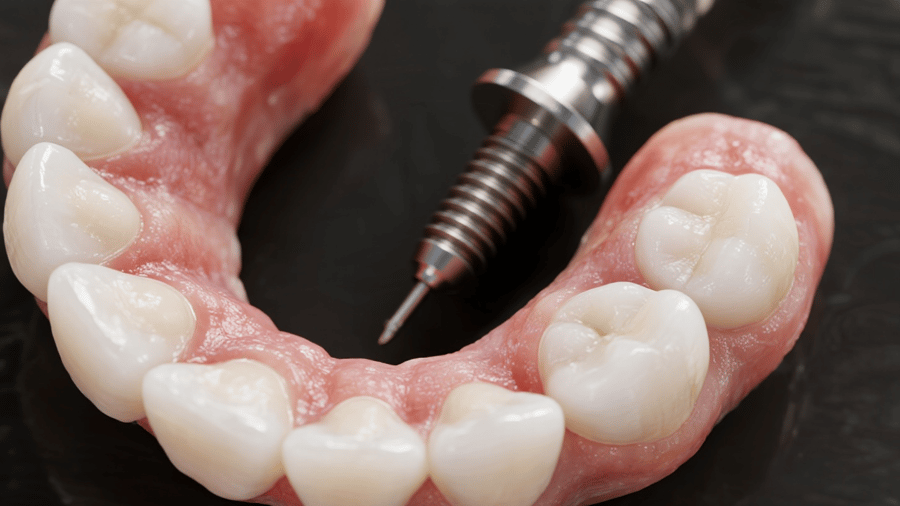
Full arch dental implants are a specialized method of tooth replacement in which a full set of prosthetic teeth is supported by a small number of implants—typically four or six—inserted into the jawbone. This technique, often called All-on-4® or All-on-6®, involves placing the implants strategically to maximize support and stability. Once the implants are integrated with the bone, a custom-made bridge or set of teeth is affixed to the implants, providing a permanent solution that looks, feels, and functions like natural teeth.
This treatment is an excellent option for people who have lost most or all of their teeth in one or both arches but still have healthy bone density to support the implants. Full arch implants are a revolutionary alternative to traditional dentures, offering greater stability and comfort.
Why Choose Full Arch Dental Implants?
For individuals suffering from severe tooth loss, full arch dental implants offer numerous benefits compared to traditional methods like dentures or bridges. Here are some of the key advantages:
1. Permanent and Stable Solution
Unlike dentures, which need to be removed for cleaning and can shift or slip during eating or speaking, full arch dental implants are securely anchored into the jawbone. This provides a permanent solution that functions like natural teeth. There is no risk of the implants shifting or becoming loose, offering increased stability and confidence.
2. Improved Comfort and Function
Full arch implants allow you to eat, speak, and smile with confidence. Unlike dentures, which can cause discomfort or irritate the gums, full arch implants feel just like natural teeth. With this permanent solution, patients can enjoy a wider variety of foods without the fear of their teeth shifting or causing pain.
3. Aesthetic Benefits
Full arch implants are designed to look and feel like natural teeth. The prosthetic teeth are custom-made to match the color, shape, and size of your natural teeth, providing a seamless and aesthetic solution. Whether replacing one or both arches, full arch implants offer a beautiful, natural-looking smile that restores self-esteem.
4. Bone Preservation
When teeth are lost, the jawbone can deteriorate over time due to the lack of stimulation from natural tooth roots. Full arch implants stimulate the bone just like natural teeth, helping to preserve bone density and prevent bone loss. This is a key advantage over dentures, which can accelerate bone loss due to their lack of stimulation.
5. Minimal Maintenance
Unlike dentures, which need regular adjustments and removal for cleaning, full arch dental implants require only regular brushing and flossing like natural teeth. This minimizes the need for frequent visits to the dentist and reduces long-term maintenance costs.
The Full Arch Dental Implant Procedure
The procedure for full arch implants is generally completed in two main stages: implant placement and teeth attachment.
Stage 1: Implant Placement
The first stage involves placing the implants into the jawbone. Using advanced imaging techniques, the dentist or oral surgeon will place four or six titanium implants into the jaw in specific locations that provide maximum support. For most patients, the procedure is done under local anesthesia, with the option for sedation to ensure comfort.
Once the implants are in place, the bone will begin to heal and fuse with the titanium posts—a process known as osseointegration. This usually takes around 3 to 6 months, depending on the individual’s healing capacity and bone density.
Stage 2: Attachment of Prosthetic Teeth
After the implants have fused with the bone, a set of custom-made prosthetic teeth (a full bridge or full set of crowns) will be affixed to the implants. These prosthetic teeth are designed to match the look and feel of natural teeth and provide optimal functionality. In some cases, a temporary set of teeth can be placed immediately after the implant procedure, allowing patients to leave the office with a new smile while the permanent teeth are being fabricated.
Who Is a Good Candidate for Full Arch Dental Implants?
Not everyone is a candidate for full arch implants. The ideal candidate is someone who:
Has sufficient bone density in the jaw to support the implants.
Is in good overall health and has no serious medical conditions that would interfere with healing.
Has lost most or all of their teeth in one or both arches.
Desires a permanent, stable, and natural-looking solution to tooth loss.
If you have bone loss, don’t be discouraged—bone grafting procedures can often be performed prior to implant placement to ensure there’s enough bone to support the implants.
Cost of Full Arch Dental Implants
One of the most common questions surrounding full arch implants is cost. Full arch implants typically range in price depending on various factors, including the type of implants used, the number of implants required, and the geographical location of the procedure.
On average, the cost of full arch implants can range from $15,000 to $30,000 per arch. While the initial cost may seem high compared to dentures or bridges, full arch implants are a long-term investment in your oral health and well-being. Additionally, many dental offices offer financing options, and some insurance plans may cover a portion of the procedure.
Recovery and Aftercare
The recovery period for full arch implants is generally shorter than that for traditional implants, as fewer implants are placed, and the healing time can vary. Most patients experience some mild swelling and discomfort in the first few days after surgery, which can be managed with over-the-counter pain relievers. Full recovery can take a few months as the implants fully integrate with the bone, but most patients can return to their normal activities within a week or two.
After the procedure, it's important to follow your dentist’s instructions for proper care, including regular cleaning and checkups to ensure the implants remain healthy.
Conclusion
Full arch dental implants are a life-changing solution for individuals who have lost most or all of their teeth. Offering a permanent, stable, and aesthetically pleasing solution, full arch implants restore function, comfort, and confidence to those in need of teeth replacement. With a straightforward procedure, minimal maintenance, and long-term benefits, full arch implants are a great option for anyone looking for a permanent solution to tooth loss.