Lung Cancer: Symptoms, Treatments, and Support Resources
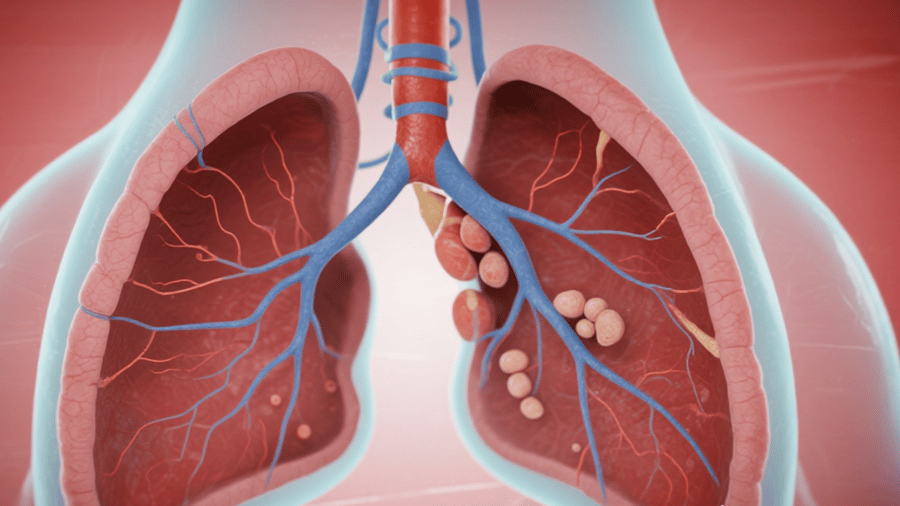
Understanding Lung Cancer
Lung cancer occurs when abnormal cells in the lungs grow uncontrollably. There are two main types:
Non-small cell lung cancer (NSCLC): The most common type, typically slower growing.
Small cell lung cancer (SCLC): Less common but more aggressive, often spreading quickly.
Risk factors include smoking, secondhand smoke exposure, occupational hazards (like asbestos), family history, and prolonged exposure to air pollution. Early detection through low-dose CT scans (LDCT) or other diagnostic tests significantly improves treatment outcomes.
Recognizing Symptoms
Early-stage lung cancer may not show symptoms, but common signs include:
Persistent cough or changes in existing cough
Chest pain or discomfort
Shortness of breath or wheezing
Unexplained weight loss
Fatigue and weakness
Frequent respiratory infections
Recognizing these symptoms early and consulting a healthcare professional is vital for prompt diagnosis and treatment.
Treatment Options
Lung cancer treatment depends on the type, stage, and overall health of the patient. Options include:
Surgery: Removal of the tumor or affected lung tissue, often for early-stage NSCLC.
Radiation Therapy: Uses high-energy rays to destroy cancer cells, sometimes in combination with surgery.
Chemotherapy: Systemic treatment targeting rapidly dividing cancer cells.
Targeted Therapy: Drugs designed to attack specific genetic mutations in cancer cells.
Immunotherapy: Boosts the immune system to identify and destroy cancer cells.
Clinical Trials: Access to cutting-edge treatments under professional supervision.
Patients often receive a combination of therapies tailored to their individual needs. Consulting a qualified oncologist or pulmonologist is critical for developing an effective treatment plan.
Prevention and Risk Reduction
Preventive measures can reduce lung cancer risk:
Quit smoking and avoid secondhand smoke
Maintain a healthy diet rich in fruits, vegetables, and antioxidants
Regular screenings for high-risk individuals, especially long-term smokers
Avoid exposure to known carcinogens in occupational or environmental settings
Support Resources for Patients and Families
Lung cancer affects not just patients but also their families. Available support includes:
Patient support groups and community organizations
Counseling and mental health services
Rehabilitation programs to maintain physical function
Educational resources on managing side effects and improving quality of life
Engaging with these resources can significantly improve emotional wellbeing and provide guidance throughout treatment and recovery.
Conclusion
Lung cancer requires a comprehensive approach combining early detection, appropriate treatment, lifestyle management, and emotional support. By staying informed about symptoms, exploring available therapies, and accessing support networks, patients and their families can navigate the disease more effectively. Awareness and proactive care are key to improving outcomes and quality of life.